ADOPT A CRAB
You’d be shellfish not to fall for this little ocean sidekick!
ADOPT A CRAB
You’d be shellfish not to fall for this little ocean sidekick!
Oceans Month is a time to appreciate the often-overlooked creatures that keep our marine ecosystems healthy and functioning, including the diverse and fascinating crabs found along South Africa’s coastline. From rocky shores and sandy beaches to estuaries and tidal pools, crabs play an important role in the daily life of the ocean.
Crabs are easily recognised by their hard shells, sideways walking motion, and strong claws, which they use for feeding, defence, and communication. From the giant spider crab to the tiny hermit crab, there are countless species that inhabit our big blue. Along South Africa’s coast, several species can be found, each adapted to its own unique habitat. Though small in size, crabs are an essential part of the food web, helping to recycle nutrients by feeding on organic material and serving as prey for fish, birds, and other marine animals.
During Oceans Month, it is important to recognise that crabs, like many marine species, are affected by changes in the ocean environment. Pollution, habitat destruction, coastal development, and climate change can all impact their survival. In estuarine areas especially, alterations in water quality and sediment flow can disrupt breeding and feeding grounds.
Crabs also play a valuable role as indicators of ecosystem health. A decline in crab populations can signal broader environmental problems affecting the coastline and nearshore waters.
What is WWF doing?
WWF South Africa works with partners to promote healthy oceans through improved coastal management, pollution reduction, and the protection of vital marine habitats. These efforts support not only crabs but the wider web of life that depends on balanced and thriving ecosystems.
Some crabs that are consumed as seafood, such as the Blue swimming crab appears on the WWF Southern African Sustainable Seafood (red) list, a programme raising the profile of lesser known marine species and promoting sustainable seafood options that pose minimal harm to our ocean and marine life.
Protecting crabs during Oceans Month reminds us that even the smallest creatures contribute to the strength and resilience of our oceans, and that every part of the marine environment deserves our care and attention.
How does the symbolic adoption work?
By choosing a symbolic adoption, you’re making a meaningful decision to support the protection of our natural world. Your contribution helps conserve the beautiful—yet often fragile—environments that both people and wildlife depend on.
This makes a thoughtful and impactful gift for animal lovers, environmental champions, or anyone who cares deeply about the planet.
What you get
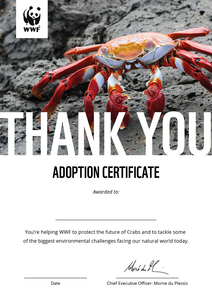
Certificate
A digital symbolic adoption certificate.
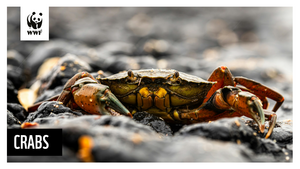
Photograph
A beautiful digital photograph.
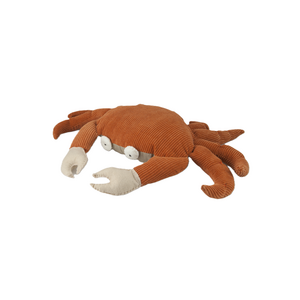
Cuddly toy
An optional soft toy to love forever. *Toy may vary from image shown.

Regular updates
We'll keep you updated on how you're supporting our vital work including sending you adoption updates two to three times a year.
Did you know?
Crabs are found in oceans all over the world, from sandy beaches and rocky shores to estuaries and deep sea habitats.
Most crabs walk and move sideways because of how their legs are structured—making them instantly recognisable along the shoreline.

Crabs play an important role in the ocean ecosystem by cleaning up organic material and recycling nutrients back into the environment.

Many crab species can regenerate lost limbs, allowing them to recover from injuries over time.